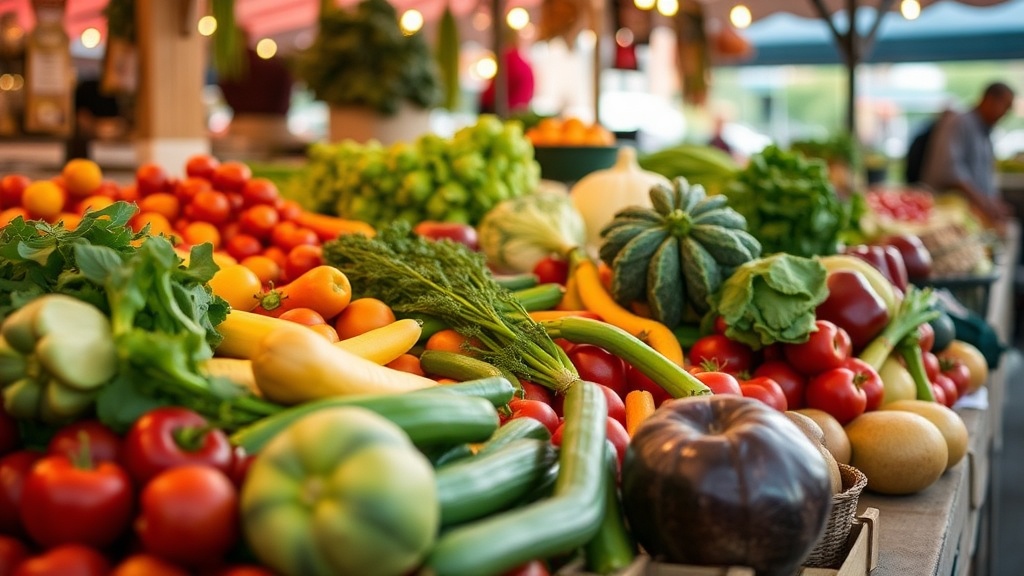
Picking the Best Seasonal Produce at Local Halton Hills Farmers Markets

Many people believe that buying produce at a farmers market is just about paying a premium for a "cute" aesthetic or a local label. That's a mistake. When you shop at the Georgetown Farmers' Market or the various seasonal stands around Halton Hills, you aren't just buying food; you're buying peak nutrient density and flavor that grocery store aisles simply can't match. This guide explains how to identify high-quality seasonal produce, what to look for in specific Ontario crops, and how to ensure you're getting the best value for your money.
How Do I Know if Produce is Actually Fresh?
The quickest way to check freshness is by using your senses—sight, smell, and touch—rather than just looking at a price tag. In the local Halton Hills market scene, "fresh" means the item was likely harvested within the last 24 to 48 hours. You'll want to look for vibrant colors and firm textures. If you're buying leafy greens like kale or spinach, the leaves should be crisp and turgid, not limp or translucent.
Don't be afraid to pick things up. If you're buying stone fruit like peaches or nectarines from a local orchard, they should have a slight give when pressed gently—not feel mushy or hard as a rock. A hard peach is an unripe peach, and you'll be waiting days for it to ripen.
Here are a few sensory cues to keep in mind:
- Root Vegetables: Carrots and beets should feel heavy for their size and have a firm, unblemressed skin.
- Berries: Strawberries and blueberries should be plump and free of visible mold or juice leakage.
- Herbs: Basil or mint should smell fragrant and have bright, non-wilted leaves.
- Tomatoes: Look for deep color and a heavy scent of earth and sun—not a bland, watery look.
It's worth noting that "perfect" looking produce isn't always the best. Sometimes, a slight bump or an irregular shape on an organic heirloom tomato is a sign of real, unmanipulated growth.
What is in Season in Halton Hills Right Now?
Ontario's growing season dictates exactly what you'll find in your basket, with a heavy reliance on the temperate climate of the GTA and Halton Region. You can track the general progression of agricultural cycles through the Ontario agricultural calendar to know what to expect each month.
In the spring, your focus should be on the first greens and radishes. As we move into the warmer months, the market shifts toward the heavy hitters: berries, corn, and summer squash. By late summer and autumn, the focus turns to hearty pumpkins, apples, and root vegetables that can withstand the cooling temperatures.
If you're looking for a great way to spend a morning while grabbing these goods, you might enjoy exploring the best things to do in Halton Hills once you've finished your shopping. There's nothing like a walk through the local trails after a successful market haul.
The seasonal cycle generally looks like this:
- Late Spring (May/June): Asparagus, spring onions, and early leafy greens.
- Summer (July/August): Peaches, berries, sweet corn, cucumbers, and tomatoes.
- Fall (September/October): Apples, squash, pumpkins, and hard root vegetables.
- Winter (November/December): Mostly preserved goods, storage crops like potatoes, and hardy greens.
How Much Does Local Produce Cost Compared to Grocery Stores?
Local produce prices fluctuate based on yield and weather conditions, but they are often comparable to—or even slightly lower than—premium organic brands at large retailers. While you might pay more for a pint of berries than you would for a generic brand at a big-box store, the shelf life and flavor profile usually justify the cost.
The real value comes from the longevity of the product. A tomato bought from a local farmer in Georgetown will often last longer on your counter and taste significantly better than one that has spent a week in a shipping container.
| Produce Type | What to Look For | Avoid If... |
|---|---|---|
| Stone Fruit | Heavy, fragrant, slight give | Bruised or mushy spots |
| Leafy Greens | Bright color, crisp texture | Yellowing or slimy edges |
| Root Veggies | Firm, no soft spots | Shriveled or sprouting tops |
| Berries | Plump, uniform color | Visible mold or juice pooling |
One thing to keep in mind is that prices can change weekly. A heavy rainstorm in the Halton area can drive up the price of lettuce or strawberries temporarily—this is just the reality of working with nature.
How Can I Support Local Farmers Effectively?
The best way to support your local growers is to buy their most abundant crops and pay the asking price without haggling. While it's tempting to look for the "deal," farmers have thin margins, and buying the crop that is currently in high supply helps stabilize the local food system.
Don't be afraid to ask questions. Most farmers at the Halton Hills markets are incredibly knowledgeable and happy to tell you how to store their produce or how to cook a specific variety of vegetable. If you aren't sure how to prepare a kohlrabi or a certain type of squash, just ask! It's a great way to learn a new skill while supporting the person who grew it.
Also, consider bringing your own reusable bags or crates. It's a small gesture, but it helps keep the market footprint low. If you're planning a full day of local-focused activities, you might want to check out how to find a new favourite local hangout to enjoy that fresh produce later in the day.
If you want to ensure you're getting the highest quality, look for the "Certified Organic" or "Regenerative" labels where applicable. While not every local vendor is certified (the paperwork can be a headache for small farms), many follow these practices regardless. You can find more information on organic standards via the Government of Canada website.
Always check the bottom of the basket. Sometimes the best pieces are hidden underneath the top layer. A quick, gentle lift of a few items can reveal the real quality of the batch you're about to purchase.
Steps
- 1
Check the Seasonal Calendar
- 2
Bring Reusable Bags and Containers
- 3
Arrive Early for Best Selection
- 4
Talk to the Farmers